
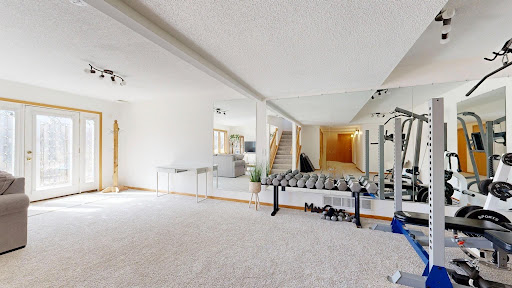
Homeowners with limited space often want healthier routines at home, but every spare corner already has a job. The challenge is real: fitness gear creeps into living areas, recovery gets skipped, and relaxation competes with noise, screens, and clutter. A multipurpose wellness room solves that tension by treating home remodeling for wellness as a smart exercise in space optimization rather than a luxury add-on. With a wellness-focused home design, one room can support daily movement and calm so physical and mental well-being has a place to land.
Understanding a Flexible Wellness Space
A flexible wellness space is one room that supports movement, recovery, and quiet without locking you into a single-purpose setup. Flexible wellness room design works because each activity has a clear home, then the room can reset fast when your day changes. It should feel like part of your life, not a mini gym that took over your house.
This matters because your body needs more than workouts to thrive. When fitness, recovery support, and a relaxation environment live together, you are more likely to stretch, breathe, and unwind instead of skipping those steps. That steady rhythm can ease stress and support better sleep and energy.
Picture a spare room that shifts with you. In the morning, a mat and light weights come out for a 20-minute session. After, a foam roller and a calm corner with low light help you downshift before you head back to normal life. Comfort also depends on the systems behind the room, from HVAC to hot water and reliable appliances.
Keep Your Comfort Systems Ready for Daily Recovery
A flexible wellness room works best when it stays consistently comfortable, warm or cool enough for movement, quiet enough for relaxation, and reliable day after day. Because this space is used more regularly for workouts, recovery, and downtime, the home systems behind it can end up working harder over time. Heating and cooling may cycle more often to keep temperatures steady, and electrical components can see more day-to-day use as you run fans, lighting, or other essentials, leading to normal wear and tear.
That’s why some homeowners consider a home warranty as part of their remodeling plan. A home warranty service agreement can help cover the repair or replacement of essential home systems (such as heating, cooling, and electrical) when they break down due to covered wear and tear, which can reduce the sting of unexpected repair costs. If you’re new to the idea, knowing how home warranties work can clarify what coverage may include and what the service request process typically looks like.
Use This 10-Minute Plan for Layout, Storage, Light, and Materials
A flexible wellness room works best when it’s easy to reset, so you can move from a workout to stretching to downtime without rearranging the whole house. Use this quick mini-blueprint to protect space functionality, keep wellness space organization simple, and avoid changes that could interfere with comfort systems like vents, returns, or equipment access.
- Mark out three zones before you move anything: Sketch a simple floor plan and label a Move zone (workouts), Restore zone (stretching/meditation), and Store zone (gear + linens). Keep the Move zone as a clear rectangle that fits your longest move (think lunges, burpees, or yoga flows) and leave a walking path to the door. This room layout planning step prevents “almost usable” spaces where one chair or lamp blocks everything.
- Create a 60-second reset routine with storage that matches your habits: Put everyday items at arm level and within 2–3 steps of where you use them (bands by the mat, towels by the chair). Use closed bins for visual calm and one open tray for “today’s gear” so clutter doesn’t spread. If you’re using the room for recovery, store a small backup of comfort items (throw, socks, water bottle) so you’re not constantly hunting around the house.
- Protect your airflow and service access while you plan the layout: Keep vents, returns, and any access panels clear, no shelves, curtains, or stacked bins in front of them. Place large equipment so it doesn’t trap warm air in a corner, and leave a small gap behind storage pieces to help air circulate. This complements the earlier focus on keeping comfort systems reliable, because good access makes routine filter changes and service visits far less disruptive.
- Layer lighting for energy and calm: Use multiple light points instead of a single overhead glare; various light sources let you brighten the room for strength sessions and soften it for evening recovery. Aim for one brighter task light near your Move zone (for form checks) and one warmer, dimmer lamp in the Restore zone. If you can, add a switch or dimmer strategy so you can change the vibe in seconds.
- Choose materials that handle sweat, sound, and frequent resets: For flooring, prioritize easy-clean and slip resistance; add a washable area rug in the Restore zone for warmth and comfort. Use wipeable paint finishes where hands touch walls during mobility work, and pick fabrics you can launder often (curtain panels, pillow covers). If noise is an issue, combine a soft rug + wall textile or panels to reduce echo without permanently “soundproofing” the room.
- Do a one-week “stress test” before you buy more: Set the room up with what you already own and run it for seven days: one workout, one stretch session, and one downtime session. Note what you moved twice, what you tripped over, and what you wished was closer, then adjust your storage solutions and lighting design based on real use. This small trial keeps spending focused and makes long-term upkeep feel manageable.
Wellness Room Remodeling Questions, Answered
Q: What’s the smartest way to budget without overbuilding a “gym room”?
A: Start with essentials that support flexibility: durable flooring, controllable lighting, and simple storage. Then add one “comfort upgrade” at a time, like a dimmable lamp or a washable rug, after you’ve used the space for a week. A true multipurpose wellness design should feel like a room first, equipment second.
Q: How can I make a small room work for both workouts and relaxation?
A: Choose collapsible, stowable gear and furniture that can do double duty, like an ottoman that hides straps and blocks. Keep one clear rectangle on the floor for movement, and let everything else live on the perimeter.
Q: What should I avoid so the room doesn’t feel cluttered or chaotic?
A: Skip open shelving for most items since visual noise can make it harder to unwind. Use closed bins with simple labels and keep only today’s items out.
Q: When should I upgrade heating, cooling, or ventilation for a wellness space?
A: If the room runs noticeably hot, stuffy, or damp during a short session, address airflow before adding more equipment. Start by keeping vents and returns unobstructed, then consider a quiet fan or professional HVAC balancing if comfort still swings.
Q: How do I keep the room clean and low-maintenance with sweaty use?
A: Pick wipeable surfaces, a lidded hamper, and a small caddy for spray and microfiber cloths so cleanup takes two minutes. Wash soft goods on a predictable cadence, and rotate a second set of towels or covers so the room stays inviting.
Make One Room Support Both Training and Recovery Daily
Most homes weren’t set up to handle sweaty workouts, quiet downtime, and real life all in one place, so the room either stays unused or feels chaotic. The steadier path is holistic home wellness through smart space remodeling: flexible zones, simple boundaries, and practical home design that supports long-term physical health and recovery without constant upkeep. When the space works with your habits, wellness lifestyle integration becomes easier, and mental well-being strategies like decompression and better sleep fit naturally into the day. Design the room to support your routine, and your routine will become easier to keep.
Links List:
https://ctrfamilyguidance.cfghealthnetwork.com/posts/how-to-remodel-a-home-wellness-room-for-fitness-recovery-and-relaxation/
https://www.ahs.com/home-warranty/what-is-a-home-warranty
https://bluestemremodeling.com/blog/minneapolis-home-wellness-room/
https://viandalife.com/blog/create-a-flexible-wellness-space-that-grows-with-your-lifestyle/?srsltid=AfmBOorumFlrPDYsTT3xz8P4T5oml3JQgDqjqCbpc6wPQqP5GQPZWmFA

